Hiển thị các bài đăng có nhãn Chiang Mai. Hiển thị tất cả bài đăng

Thứ Năm, 16 tháng 12, 2021

10 Top Tourist Attractions in Chiang Mai

10 Top Tourist Attractions in Chiang Mai

 In the heart of Northern Thailand is the city of Chiang Mai. While Chiang Mai is a big city, and has a diverse population, it still retains plenty of pristine wilderness and gorgeous scenery. 

You may also like:

That’s why Chiang Mai is often known as the Rose of the North. Though often used as a base to explore the surrounding region, those who visit Chiang Mai will also be able to tour incredible ancient temples, spot elephants in the wild, explore the local culinary landscape and even shop at bustling night markets. An overview of the top tourist attractions in Chiang Mai:

10. Wat Umong

There is no shortage of spectacular temples in Chiang Mai, but Wat Umong stands out as one of the most interesting. At more than 700 years old, Wat Umong was supposedly built for a monk with a reputation for taking long walks in the forest. To keep the mad mad monk from wandering off several maze-like tunnels were constructed. The temple is outside of the city, giving it a more secluded feel. Also worth noting is the grand stupa at the entrance of Wat Umong and the scenic ponds where visitors can feed the turtles.

9. Wat Phan Tao

The enormous Wat Phan Tao is made entirely from wood, with gorgeous teak panels being the highlight of this architectural structure. Located within the walled center of the city of Chiang Mai, Wat Phan Tao is elegant and detailed. The roof boasts golden finials meant to represent snakes, the Lanna flower motif is repeatedly carved into the teak facade and large, sturdy wooden posts support the equally impressive wooden beams overhead. At the back there is a pond and a Buddha statue underneath a Bodhi tree. Bright orange flags and the bold colors of the monk’s robes only intensify the visual appeal of this remarkable temple.

8. Royal Park Rajapruek


Rajapruek, or Ratchaphruek, is the name of Thailand’s national flower. It boasts small but vibrant yellow blossoms, and it is sometimes known as the golden shower tree. The Royal Park Rajapruek is named for these gorgeous blooms, and it is a public space where visitors can admire a stunning collection of gardens and ponds. The park is large, but there are trams that can shuttle visitors around the park to see as much of the space as possible. The area is a popular place for a scenic stroll as well as a picnic when the weather is sunny.

7. Talat Warorot


Just next to the Ping River is the Talat Warorot, one of the biggest and oldest markets in all of Chiang Mai. The market is a unique blend of vendors that appeal to both tourists and local residents. Stands offer goods like hand knotted nets for fishing, bags of dried tea leaves and spicy Thai sausages. In addition to the more permanent stalls, vendors navigate the paths through the market with carts on wheels, calling out what is for sale along the way. Talat Warorot is also one of the few spots in Chiang Mai where shoppers can still flag down rickshaws for rides.

6. Wat Phra Singh


The best known of Chiang Mai’s temples is the Wat Phra Singh. Housed inside of the temple is its most famous attraction: The iconic statue of Buddha called the Phra Buddha Sihing. Legend says that the statue itself was brought to Chiang Mai from Sri Lanka. The Wat Phra Singh dates back to the 14th century, and it was built by the King Pha Yu as a tomb for his father. The temple also boasts incredibly detailed murals, many of which depict scenes from Thailand’s history. Buddhist monks still gather, train and live within Wat Phra Singh, so religious respect should be given.

5. Elephant Nature Park


Chiang Mai is known for its elephants, but not all elephant attractions have the best interests of the animals at hearts. For animal lovers, there is a perfect solution: The Elephant Nature Park. Located north of the city, the Elephant Nature Park is a sanctuary for rescued elephants. Visitors can get up close and personal with elephants, watching them eat, wash and play in a natural, wild habitat. Visitors can come to tour the premises for the day, but there is also the option of overnight stays.

4. Wat Chedi Luang


Although it isn’t as decorative or grand as some of the other temples in the city, Wat Chedi Luang is still a historic stop. This towering, tiered temple dates back to the 15th century and was constructed in the traditional Lanna style. At one point, the temple was the largest structure in Chiang Mai, but damage in centuries past from hurricanes and fires caused extensive ruin. Thankfully, serious restoration has been going on for 30 years, and visitors can now admire the Buddha statue called Phra Chao Attarot and watch the daily rituals performed by monks just outside of the temple structure.

3. Thai Cooking Classes


One of the most popular pastimes for travelers to Chiang Mai is taking part in Thai cooking classes. There are over two dozen establishments within the city where it is possible to learn to cook traditional, authentic local cuisine. Most classes will focus specifically on dishes from Northern Thailand, and many others emphasize vegetarian cuisine. One of the most enlightening choices is cooking in a home with a local, or getting to shop at the local markets for fresh ingredients. A popular dish to create is khao soi, or noodles in a spicy red broth that is often topped with either chicken or beef.

2. Chiang Mai Night Bazaar


There is no shortage of fantastic markets in Chiang Mai, but the Night Bazaar is by far the most famous. Not surprisingly, it is also one of the most popular tourist attractions in Chiang Mai. As the sun begins to set, the Night Bazaar comes to life. From about 6 pm each evening until midnight, the Night Bazaar is filled with locals and tourists alike who are browsing the various stalls. For souvenirs, this is undoubtedly one of the top spots to shop. Many sellers speak English, and most are willing to negotiate on price. Turn into the smaller alleys off the Night Bazaar for more local products and vendors as well as fewer tourists.

1. Wat Phra That Doi Suthep


What makes Wat Phra That Doi Suthep such an impressive temple, and one that should definitely be visited, is its location. The temple is found on a mountain overlooking the city of Chiang Mai, which means it has the best vantage point in the entire region. Of course, location isn’t the only reason to visit. Wat Phra That Doi Suthep is highly recognizable thanks to its gold-plated chedi, or stupa, which is sometimes visible from the city below on clear days. In order to reach the temple, visitors will have to climb over 300 stairs at high altitude or opt for the cable car.


Thứ Tư, 15 tháng 12, 2021

 Where to Stay in Chiang Mai: Best Areas & Hotels

Where to Stay in Chiang Mai: Best Areas & Hotels

Located in Thailand’s mountainous northern region, Chiang Mai is Thailand’s second city. With streets that reflect Thailand’s mix of traditional past and trend-oriented youth, the city is an enticing antidote to the busy streets of Bangkok.

You may also like:

Built in the lush valley of the Ping River, Chiang Mai’s mix of modern mindset and old architecture is a lure for backpackers, digital nomads, and adventurous holidaymakers. Founded in 1296 as the capital of the ancient Lanna Kingdom, at Chiang Mai’s center is the Old City with its historic crumbling city walls and moat. Complete with tree-lined avenues and easily walkable streets, the city is easily traversable on foot – or in the back of a tuk-tuk.

Map of Chiang Mai

Local neighborhoods are alive with amazing food and nighttime entertainment, and the numerous night markets are a fun way to try out various Thai delicacies for a small amount of cash. Take a stroll along any of the city’s charming and quiet lanes and you’ll be sure to come across one of the many temples that dot the city.

Accommodation around the various neighborhoods is plentiful and usually high quality. From budget dorm beds to mid-range trendy boutique hotels, as well as high-end rooms that offer all the trimmings, there’s a lot of choices. Chiang Mai is an exciting glimpse into the wonders of Thailand’s future, with all the respect and intrigue of its past.

Old City

Packed full of many of Chiang Mai’s historical sights, as well as a load of bars, cafes, and restaurants, the Old City is the place to go in Chiang Mai for culture, buzz, charming and leafy sois (backstreets), and a whole lot of good food.

It’s easy to spot this part of Chiang Mai on a map; it’s a clear-cut square defined by ancient walls – some of which still stand – as well as a moat. These walls date from 1296, when Chiang Mai was founded as the new capital of the Lanna Kingdom (Chiang Mai means ‘New City’).

Today, the historical importance of this city can be known through exploring the bustling old town. Buddhist temples – or wats – dot this part of the town; these include Wat Phra Singh with its murals, the less visited and tranquil Wat Jet Yod, and the oldest temple in town, Wat Chiang Man.

Chiang Mai is also famous for its markets and the Old City is no exception; the Sunday Walking Market is a huge affair, where roads are blocked off for an array of vendors – from crafts and trinkets to cute socks and baseball caps. It’s quite touristy, like certain areas of the Old City, but still fun.

Staying in the Old City means a lot of options. Budget guesthouses are rife, as are very affordable boutique hotels, with most accommodation falling into the low-end to mid-range in terms of price. You can find a few luxury places to splurge your money on, too. When you need to have a bit of fun, head to the cluster of bars on the corner of Ratchapakhinai Road and Ratvithi Road.

Where to Stay in the Old City

luxury

Rachamankha – Featuring classically Thai interiors, the rooms at Rachamankha boast high wood ceilings, terracotta tiled floors, and dark, solid wood furniture. Throughout the rest of this warmly decorated hotel, there are polished concrete floors, shady courtyards, and charming design features. In terms of amenities, this one boasts a scenic outdoor pool as well as an exquisite restaurant and spa – amongst other things. When it comes to location, this decidedly 5-star hotel is situated just 100 meters from the Sunday Market.

midrange

Pingviman Hotel – The Pingviman Hotel is set in a beautifully opulent building with stunning interiors – think hardwood paneling and shining tessellating tiles. There’s a lush outdoor pool lined with tropical plants and palm trees, plus a pool bar and a stylish fitness center to keep up with your workouts. Onsite guests can try out local and regional cuisine at the Thai restaurant. The rooms at this 4-star offering are decorated with carved dark wood furniture, large beds, and touches of traditional Thai aesthetic.

Tamarind Village – With hints of Lanna design, Tamarind Village is a minimal and modern affair. True to its name, this hotel is an elegant place to stay, surrounded by tamarind trees. You’ll find unfussy whitewashed rooms here, providing a calm place to unwind with their tiled floors and cooling, neutral color palettes. There are both indoor and outdoor restaurants at this hotel, a spa, and an outdoor pool to cool off in after a day of exploring Chiang Mai. From here, it’s a 10-minute walk to the Night Bazaar and the Ping River – and all the restaurants it offers along its banks.

budget

Wing Bed – Located close to religious and historical sites like Wat Chedi Luang and Wat Phra Singh, Wing Bed is a cozy and convenient place to stay in this easily walkable part of town. The rooms are fresh and modern, from the mix of tasteful wood paneling and wooden floors to the white linen and whitewashed walls. There’s a tasty buffet breakfast served up each morning in the hotel restaurant, which makes for a great way to start a day of discovering what Chiang Mai has to offer.

Nimmanhaemin

Fashionable and fun, the cosmopolitan area of Nimmanhaemin has a lot more going for it than first meets the eye. It’s where to stay in Chiang Mai if you’re looking for a touch of style and some great places to eat.

Located a couple of kilometers from the center of the city, you may not think that the district is a hub for style at first glance, but look past the traffic fumes and take a wander down the side streets that run between the squat buildings; you’ll come across boutique shops, trendy cafes, and a scattering of hairdressers and spas too.

The small lanes – or sois as they’re called in Thai – are a warren for all sorts of interesting discoveries: great restaurants that buzz with diners, and boutique hotels that brim with upscale aesthetics. Staying in Nimmanhaemin will give you access to the more modern side of Chiang Mai, where the young and well-heeled can be seen socializing and enjoying their free time together.

Further along Nimmanhaemin Road is the shiny new Maya Lifestyle Shopping Centre, where you can pick up pretty much anything – from cosmetics and clothes to food and electronics. There’s even a cinema and food court.

The area also encapsulates the city’s university, with its young students adding a depth of interesting counterculture to the streets. And, of course, you have to take a trip to the electric Kad Ma Mor night market that sets up most nights in front of the university.

Getting around is easy on foot, especially down the sois, and you can choose to stay at budget hostels which are small but polished, or mid-range hotels, as well as high-end stays with all the services of a luxury hotel.

Where to Stay in Nimmanhaemin

luxury

U Nimman Chiang Mai – Boasting a sizeable outdoor pool where guests can sunbathe with views of the surrounding mountains, this hotel also features amenities like a large sun terrace, sauna, well-equipped gym, and a chic restaurant and cocktail bar. Throughout, the boutique interiors and large guest rooms of U Nimman Chiang Mai are perfect for any style-conscious traveler; there are plush carpets, stylish seating areas and geometric themed tiles and wall art. In terms of location, this 5-star option is well suited for shopaholics; the Maya Lifestyle shopping center is just on the doorstep.

midrange

Buri Siri Boutique Hotel – The minimal bedrooms in this hotel provide a relaxing environment with their whitewashed walls, simple tiled floors, and graceful wooden furniture. There are also historic artworks on the walls depicting a Thailand of the past. One of the best features of Buri Siri Boutique Hotel is the charming colonial style restaurant, complete with dark wood furniture and ceiling fans. Guests can also enjoy a cooling swim in the outdoor pool here and chill out in the landscaped tropical gardens. There’s a bus stop close by, which makes getting around Chiang Mai convenient.

budget

Sakulchai Place – Sakulchai Place is a simple, traditional hotel with spacious rooms featuring balconies, modern bathrooms, and shiny, tiled floors. There’s a hotel restaurant where guests can enjoy a mix of international and Thai cuisine throughout the day. You’ll also be able to soak up the heat of the day on a sun lounger around the hotel’s outdoor pool. Well positioned to explore what the surrounding area has to offer, this 3-star option is near to the Kad Suan Kaew shopping center – but equally, the Old City is easily walkable, too.

Santitham

To the northeast of Nimmanhaemin is Santitham, referring to Santitham Road and its general surrounding streets. In recent years, it has experienced something of a boom; demolition teams have got to work, tearing down the old to make way for sparkly new shop houses and shiny condo-style buildings.

Traditionally the red-light district of the city, this has declined with the recent renovation of the district. However, there are still many Thai-style bars and restaurants to be found here, where you can eat and drink cheaply.

The surge in the development of this area has been a boon to Chiang Mai’s gay residents and expats, with many gay guesthouses, bars and even a karaoke place or two now adding to this area’s landscape. It’s also a great place for students to reside. The location (close to quite a few major universities), plus the cheap living costs make it a prime spot.

Accommodation here is almost all budget hotels and guesthouses, with a few mid-range, 3-star hotels to choose from, too. It’s a pretty small area to explore, so getting around on foot is fine – though the area doesn’t really have pavements or sidewalks. However, you may want to rent a motorbike if you want to get into the Old City or anywhere else around Chiang Mai.

Where to Stay in Santitham

budget

POR Santitham – A modern, urban style hotel with charming walkways that overlook the outdoor pool area and mountains, this affordable option is decidedly cool. Rooms here boast large beds and flat-screen TVs. They’re decked out in monochrome and are all about clean-cut straight lines and a sleek sense of design-led taste – all accented with good use of tropical plants. Just a kilometer from the Chang Puak Market, POR Santitham is within walking distance of Wat Lokmolee.

Riverside

Refined and genteel, the Riverside area displays to first-time visitors the traditions and charm of Thailand’s second city. The riverbank is alive, with locals enjoying great food in reasonably priced restaurants where live music is played almost nightly. This isn’t an area aimed at tourists, it’s an area to soak up the wonders of Thai life and enjoy the jovial atmosphere as local friends and families meet up to have a good time.

Nestled along the banks of the Mae Ping, the city here is noticeably split in two; modern Thai life on one, and the old and traditional on the other. The right bank of the river is all about fishermen, food stalls and the Warorot Market – where you can pick up some bargain textiles – whilst the north bank is busy with boutiques, spas, and art galleries.

A good place to stay in Chiang Mai for couples, as night falls, there’s a relaxed atmosphere as people stroll along the riverside looking for somewhere to eat dinner or simply soak up the views of the night sky reflected in the river.

Hotels along the riverbank are a little more expensive than other parts of the city. If you want to get from Riverside to explore the rest of what Chiang Mai has to offer, the best thing to do is to hop in a tuk-tuk; it’s usually very inexpensive and will get you where you want to be quickly.

Where to Stay in Riverside

budget

Rustic River Boutique – As the name suggests, this 3-star hotel is a rustic choice. The rooms feature hardwood floors, wooden four-poster beds, and wood paneling, giving the feeling of staying in a traditional Thai home crossed with a colonial building. Throughout the hotel, there is antique furniture and Thai fabrics. There’s a breakfast served every morning, with a choice of options from local to international, after which guests can pedal off to explore the city on bikes. Nearby is the Ping riverside, with all its eating and drinking options, as well as the Nakornping Bridge.

Night Bazaar Area

As you might be able to tell from its name, this area – situated between the east of the Old City and the Mae Ping river – is all about the Night Bazaar. In fact, it’s about many different markets. And shopping in them!

Yes, this area is famous for its markets, but the eponymous Night Bazaar – operating from sunset to around midnight – stretches along one kilometer of Chang Khlan Road and is filled with pretty much everything, from (sometimes fake) designer clothing and street food to high tech gadgets and souvenirs.

Just off this road is the Kalare Night Market, essentially a large undercover area with stalls that also operates as a massive food court. There are tons of options here, including Japanese, Chinese and Indian, amongst many others.

Chang Khlan Road and the surrounding area also houses a lot of modern amenities like Starbucks and McDonald’s (Chiang Mai’s first one), amongst other Western-catering restaurants and bars; these include a few Irish, English and even Australian pubs. As such, it’s quite a touristy area.

Because of this, there are many accommodation options in this area, including a few upmarket hotels, decently priced serviced apartments, as well as cheaper 2 and 3-star hotels and some guesthouses, too. There’s a little bit of everything for everyone – if you can stand the crowds.

Where to Stay in Night Bazaar Area

luxury

Le Meridien Chiang Mai – Le Meridien Chiang Mai is a chic, high-end stay in the city. The rooms are decorated in a neutral color palette and a sense of minimalism, with big beds, large windows and gleaming bathrooms accented with stylish sinks and rain showers. Guests can choose from a selection of suites available that add things such as seating areas and hot tubs. There’s a beautiful pool with views of Doi Suthep mountain, as well as a spa for relaxing after a busy day and four onsite restaurants. The Chiang Mai Night Bazaar is practically on the doorstep of this upscale hotel.

midrange

Dusit Princess – The Dusit Princess is impressive as soon as you walk in; the lobby features a modern vaulted roof with unique chandeliers and golden lighting. Staying here means being able to enjoy spa treatments and poolside massages, as well as eating in the warm atmosphere of the hotel’s restaurant. The rooms are decorated in a combination of modern and Lanna influenced aesthetics and feature relaxed, Thai-style seating areas. Practically next door to the Chiang Mai Night Bazaar, this 4-star hotel is also close to Anusarn Night Market for all your shopping needs.

budget

Night Bazaar Inn – True to its name, this affordable option is situated very near to the Chiang Mai Night Bazaar. Also close by is the landmark Iron Bridge. The hotel itself is set in a charming, traditional style building with wooden, open-air walkways and breezy balconies overlooking the market. The rooms at Night Bazaar Inn are laid back and feature large beds, hardwood floors, and glass paneled bathrooms, all accented with soft lighting options. There’s a compact outdoor pool for guests to enjoy, as well as an onsite restaurant that serves fresh food daily.

Wat Ket

Situated on the east banks of the Mae Ping, the Wat Ket area is a local neighborhood that hums with riverside restaurants, cute shops, and a burgeoning hipster community. This historical area developed over time as enterprising locals moved in, as well as Chinese traders and foreign missionaries settling here, creating an eclectic district that can still be seen today. Small, quaint, wooden houses are now home to trendy coffee shops, art galleries, and boutiques that sell goods made by hill tribes.

At the center of the area is Wat Ket Karam, a Buddhist temple dedicated to people born in the year of the dog, dating back to the 1400’s. The picturesque temple is surrounded by leafy grounds, and – as it doesn’t seem to be too popular with tourists – it’s the perfect spot to spend some time reflecting in the peace and quiet of it all.

Wat Ket is less well-known to first-time visitors to the city, who usually base themselves around the Old City. As such, the streets still feel like they properly belong to the local communities. Modest and unassuming, Wat Ket offers an interesting mix of colorful nightlife and dining choices to go along with its good selection of mid-range hotels. There’s a scattering of stylish budget stays on offer in the area, as well as a handful of swanky and secluded high-end hotels.

Where to Stay in Wat Ket

midrange

Rimping Village – A chic but laid-back place to stay, Rimping Village has a stylish outdoor pool area set in the shade of a banyan tree. There’s also a traditional style, open-air restaurant onsite, featuring tiled floors and vaulted ceilings. The rooms at this 4-star hotel are also traditional, yet simple and unfussy, with terracotta style floors and high ceilings. The relaxed, warm and welcoming atmosphere at this hotel is perfectly suited for a family stay. The Ping riverfront area isn’t far from Rimping Village, and Chiang Mai Night Bazaar is only a 10-minute walk away.

budget

Riverside House Hotel – The Riverside House Hotel is a modern place to stay that is, as you’d expect, situated right by the Ping River, which means plenty of sunset drinking and dining options on the doorstep. The Iron Bridge is also within walking distance. There’s a small, shady outdoor pool area, overlooked by a terrace dotted with tables, where guests can enjoy a selection of food from the hotel restaurant. The rooms here may be low-key but they’re stylish, with white tiles, large French doors, comfortable wood beds and touches of Lanna fabrics.

Thứ Hai, 6 tháng 12, 2021

25 Best Cities to Visit in Asia

25 Best Cities to Visit in Asia

Not only the largest continent on Earth but the most populous too, Asia is home to some of the most astounding and alluring cities in the world. The sheer variety and diversity means that each city has its own unique look, feel, and identity, with something new to discover wherever you go.

You may also like:

While some are renowned for their fantastic culinary scenes and pounding nightlife, others boast breathtaking historical sights and cultural landmarks. Their settings vary too: some are set on beautiful bays while others are perched amongst the mountains or nestled away in arid deserts.
Home to millions of people who speak unique languages and showcase rich cultures and religious beliefs, Asia’s many cities are delightfully different from one other. As such, there really is somewhere for every type of traveler to enjoy.


25. Luang Prabang


Lying in the north of Laos at the point where the Mekong and Nam Khan rivers join, Luang Prabang is certainly set in a scenic spot. Surrounded by mountains, rainforest, and waterfalls, it has lots of incredible kayak trips, river cruises, and treks for you to enjoy.

While its natural wonders are a treat to explore, the small city also boasts a rich cultural, and religious heritage. Home to a number of important Buddhist temples and monasteries, its name in Lao actually means ‘Royal Buddha Image.’ Long ruled by France, the city also has some lovely old villas that date back to colonial times.

Offering up an enchanting mix of history, nature, and culture, Luang Prabang is well worth checking out if you have the chance.

24. Bukhara


Steeped in history, Bukhara is a magical place to visit, with mausoleums, madrassas, mosques, and minarets wherever you look. Located on the old Silk Road, the city has long welcomed travelers and traders, scholars, and scientists to its ancient streets.

Set amid the dry and arid confines of the Kyzyl Kum desert, the ‘City of Museums’ is home to an astounding array of historic buildings that date back centuries. The architecture is magnificent, and losing yourself in the atmospheric old town is the best way to see its many sights.

The ancient city still hums with life, however, and while wandering around town, you’ll come across lots of market stalls selling amazing local handicrafts. With so much for you to see and do, Bukhara really is the highlight of any trip to Uzbekistan.

23. Mumbai


The commercial capital of India, the port city of Mumbai is one of the most populous metropolises in the world. As such, everyone and everything can be found within its sprawling confines.

Located on the west coast, Bombay, as it was once known, is a fast, frenetic, yet fun place to explore. In many ways, the city defies definition: it is not only home to the glitzy world of Bollywood but pervasive poverty in its endless slums.

While its crowded streets can be somewhat suffocating, Mumbai boasts some absolutely stunning colonial-era architecture, centuries-old temples, and marvelous monuments. With a fantastic culinary scene and pounding nightlife for you to delve into, Mumbai is well worth persevering with.

22. Manila


One of the most densely populated cities in the world, the Philippines’ chaotic capital can be a bit hard to fall in love with at first sight. It is well worth persevering, however, as its towering skyscrapers and traffic-filled streets hide away lots of wonderful and unique places.

Founded by the Spanish back in 1571, the city is set on the shores of Manila Bay, with Pasig River running through it. Old and new seamlessly mix together in Manila as modern shopping malls lie alongside colonial-era churches and cathedrals.

Full of trendy bars, artisan markets, and avant-garde art galleries with some great nightlife also on offer, the ‘Pearl of the Orient’ is certainly one of Asia’s greatest megacities.

21. Taipei


Located in the north of Taiwan, the island nation’s capital of Taipei is a fascinating place to visit. This is because the city boasts a rich and unique cultural heritage, with American, Japanese, and Southeast Asian influences all on show.

As such, you’ll find Taoist temples lying next to Japanese-era mansions, bustling markets, and immense skyscrapers. Of its many museums, the National Palace Museum is particularly worth visiting for the insight it offers up on the island’s history and culture.

Besides its many sites of interest and thriving arts and culture scene, Taipei also has lots of fabulous shops, restaurants, and bars for you to try out. With lots of entertainment options also on offer, Taiwan’s capital really does have it all.

20. Xi'an


Although it is famous for being home to the world-renowned Army of Terracotta Warriors, Xi’an in the north of China actually has much, much more to it. Boasting more than 3,000 years of history, the city has a staggering array of archaeological and cultural sights for you to delve into.

Not only the capital of 13 different Chinese dynasties, it was also once the terminus of the Silk Road. As such, trade, wealth, and people from all different walks of life poured into the city, with each epoch and generation leaving its mark on Xi’an.

With incredible tombs and pagodas alongside Ming-era city walls and the magical Muslim Quarter, this marvelous city is a delight explore.

19. Kathmandu


Stretching as far as the eye can see, Kathmandu fills the valley in which it lies with its colorful and chaotic sprawl. Known as the ‘City of Temples,’ Nepal’s capital certainly has a wide array of centuries-old historical sights and cultural landmarks for you to check out.

Durbar Square, for instance, has over 50 beautiful temples, while Hanuman Dhoka has lots of magnificent palaces and courtyards for you to enjoy. While history is all around you, the country’s rich cultural heritage lives on in the vibrant religious festivals that regularly take place.

The largest city in Nepal, Kathmandu is an exhilarating but equally exhausting place. Visiting is a must, however, before heading on to the majestic mountains and towering peaks of the Himalayas.

18. Phnom Penh


Once known as the ‘Paris of the East,’ Cambodia’s capital Phnom Penh is slowly re-emerging and reawakening after decades of colonialism, war, and revolution.

Lying on the banks of the Bassac, Mekong, and Tonle Sap rivers, the bustling city boasts the breathtaking Royal Palace, as well as a number of grand boulevards and French colonial buildings. Many of its historic sights, however, are sadly related to the tragic events that took place in the country in the ‘70s.

With lots of cozy cafes, atmospheric bars, and fantastic restaurants, Phnom Penh is slowly putting its past behind it and once again turning into a popular tourist destination.

17. Chiang Mai


Located in the north of Thailand on the banks of the Ping River, Chiang Mai has long attracted traders and travelers to its shores.

Once the capital of the Lan Na Kingdom, its historic center is protected and surrounded by ancient city walls. Enclosed within them, you can find amazing temples, pagodas, stupas, and museums, with Wat Phra Singh being its most famous attraction. While the city has a lovely laidback feel to it, its marvelous night bazaar bustles with life and is not to be missed out on.

Surrounded by lush rainforests and picturesque countryside, with pretty mountains not too far away, Chiang Mai is a great alternative or addition to Bangkok’s busy streets.

16. Jerusalem


Fought over, destroyed, and rebuilt numerous times over the millennia, Jerusalem really is unlike anywhere else on Earth. This is because it is home to some of Christianity, Islam, and Judaism’s holiest sites.

Within the Old City walls, you can find not only the Western Wall but the Dome of the Rock and the Church of the Holy Sepulchre. History really is on show wherever you look, and its ancient streets teem with pilgrims who have come to pay their respects. Each of its quarters has its own unique identity, and getting lost in their warren-like streets is all part of what makes Jerusalem so magical.
While its many archaeological sites are captivating to visit, the city also has some brilliant art galleries and museums for you to enjoy. Divided between Israel and Palestine, Jerusalem certainly has lots of different and equally delightful sides to it.

15. Hanoi


The second-largest city in the country, Vietnam’s capital Hanoi exhibits a fascinating mix of Chinese, French, and Vietnamese influences. As such, splendid colonial-era buildings can be spied alongside ancient temples and pagodas, some of which date back a thousand years or more.

Impressive historical sights are never far away in Hanoi. Ho Chi Minh Mausoleum and One-Pillar Pagoda count among its most popular attractions. The city also hosts a number of excellent museums that offer interesting looks at the country’s history, heritage, and culture.

While Hanoi’s scooter-filled streets can be quite loud and chaotic, peace and tranquillity can be found in any one of its cute and charming cafes and restaurants. With lots of lively street markets, Vietnam’s capital is a great place to pick up some local handicrafts and souvenirs.

14. Kyoto


Widely reputed to be the most beautiful city in Japan, Kyoto is a treat to visit. The nation’s capital for over a thousand years, it sports lots of incredible historical sights and cultural landmarks.

Dotted about its ancient streets, you’ll find wonderful palaces and idyllic gardens, with 2,000 Shinto shrines and Buddhist temples to check out. Of these, the Imperial Palace, Kinkakuji Temple, and Ryoanji Temple are the most impressive.

In addition to this, its historic district of Gion is also well worth exploring. It is here that you can find lots of geishas and traditional inns. While Kyoto is lovely to visit at any time of year, it is particularly magical when the cherry blossoms are in bloom.

13. Jaipur


Lying in the northeast of the country, ‘the Pink City’ – as it is known – is one of India’s most popular tourist destinations, and with good reason.

Although it is primarily known for the massive and majestic Amber Fort, the city boasts a whole host of beautiful palaces, temples, and monuments. Of these, Jantar Mantar and the City Palace are the undoubted highlights on show.

The capital of Rajasthan state, Jaipur is colorful and chaotic in equal measure; this is what makes it so fun to explore. With rickshaws whizzing past you and gorgeous rose-colored buildings wherever you look, Jaipur serves as a wonderful introduction to India’s many riches.

12. Shanghai


One of the largest, most populous, and most important cities in not just China but the world, Shanghai has something for everyone to enjoy.

Lying at the point where the Yangtze Estuary joins the East China Sea, the city’s skyline is dominated by a myriad of skyscrapers. Hidden away among them though are an astounding array of architectural styles, with Buddhist temples on display alongside Art Deco edifices.

Renowned for its fabulous culinary scene and pulsating nightlife, it is also one of the best places to go shopping in the world. With a thriving arts and culture scene, Shanghai, with its infinite possibilities, is one of Asia’s must-visit cities.

11. Ho Chi Minh City


The cultural and commercial capital of the country, Ho Chi Minh City is Vietnam’s largest city. Formerly known as Saigon, it is very different from Hanoi in terms of identity and outlook.
Buzzing with life, the city is a fun yet frenetic place to explore, with something going on at every hour of the day. With so many different sides to it, Ho Chi Minh City caters to all budgets and preferences, whether that’s in terms of dining and accommodation, shopping, or entertainment.

Historical and religious sites also abound, as colonial-era buildings lie beside magnificent museums, age-old pagodas, and modern malls.

10. Agra


Located in the north Indian state of Uttar Pradesh, Agra is known for one thing and one thing only – the Taj Mahal.

Built by the Mughal emperor in 1658, the mausoleum certainly makes for a majestic sight and is one of the most popular tourist attractions in India.

Besides its gorgeous white marble features, Agra is also home to lots of pretty temples, gardens, and tombs, with its fantastic fort being its other main highlight. In addition to this, many people combine their visit to Agra with a stop at Fatehpur Sikri – a walled city and imperial palace that lies nearby.

9. Seoul


A sprawling metropolis, Seoul is home to almost half of South Korea’s population. As such, it bustles with life as people throng about its massive shopping malls and lively night markets.

While it appears to be very modern at first sight, pockets of historic sights remain here and there. Chandeok-gung Palace, for instance, is definitely worth visiting, as are its numerous temples and brilliant museums. Nature, too, is never far away, as many magnificent mountains lie nearby in Namsan and Bukhansan national parks.

Renowned for its cuisine, Seoul also boasts lots of excellent restaurants and street markets for you to try out. With culture, cuisine, history, and nature all on offer, South Korea’s capital has it all.

8. Delhi


Home to an endless array of different sights, sounds, and smells, India’s bustling capital of Delhi threatens at times to overwhelm the senses.

Exploring its hectic streets is an infuriating but intoxicating experience as you pass colorful markets and tantalizing street food stalls. With impressive shrines, temples, tombs, and mosques wherever you look, history, culture, and tradition are all around you. Of its many sights, the imposing Red Fort is the highlight.

Despite being a noisy, chaotic, and polluted place, Delhi is one of the country’s undisputed gems. Visiting is simply a must when in India.

7. Kuala Lumpur


Very multicultural in nature, Malaysia’s capital of Kuala Lumpur is a mesmerizing melting pot of Malay, Chinese, and Indian influences. It is these diverse communities that have so profoundly impacted the city’s look, feel, and identity.

Consequently, visitors will find majestic minarets and mosques, alongside ancient temples and the massive Petronas Towers – the city’s defining feature. Gigantic shopping malls are also on offer, as well as a thriving arts and culture scene.

Its multicultural make-up has also blessed Kuala Lumpur with lots of delicious cuisines, so no visit can be complete without sampling some of its brilliant street food.

6. Beijing


One of the largest and oldest cities on Earth, Beijing teems with astounding historic sights and cultural landmarks that date back centuries – if not millennia. While the Forbidden City and Summer Palace count among its most famous sites, the city has much, much more going for it.
As it was the capital of three imperial dynasties, the city is dotted with splendid temples and parks. Theaters, museums, and art galleries also abound, while the Great Wall of China – one of the nation’s must-see sights – lies nearby.

The capital of present-day China, Beijing is a fascinating place with lots of exquisite art, culture, and cuisine for you to delve into.

5. Tokyo


Lying at the center of the world’s most populous metropolitan area, Japan’s futuristic capital is an exhilarating place to explore.

Renowned for its skyscraper-filled skyline and embracing cutting-edge technology, the neon-lit city stretches away endlessly before you. Interspersed among its towering blocks are awe-inspiring temples and museums that proudly showcase Japan’s rich heritage and history.
Whether you’re into cuisine and calligraphy or cherry blossoms and consumer products, Tokyo certainly has something for everyone to enjoy. Creative, innovative, and quirky in equal measure, the massive metropolis is not to be missed out on when in Japan.

4. Dubai


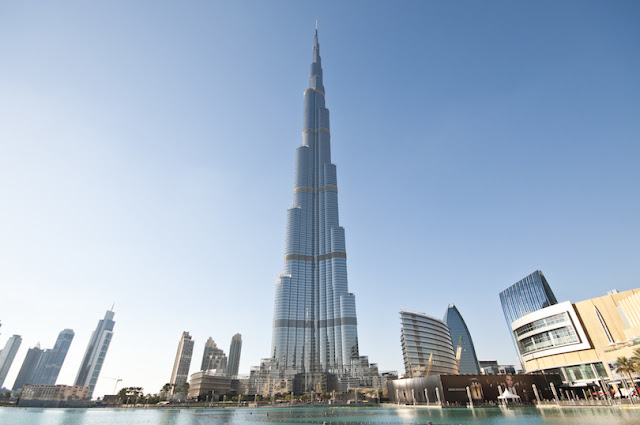
Rising from amid the desert, Dubai’s epic skyline is a testament to humankind’s creativity and engineering prowess. Transformed by oil money, the once-sleepy seaside settlement is not only one of the commercial and cultural capitals of the United Arab Emirates, but the Middle East as well.

Very cosmopolitan, Dubai constantly pushes the boundaries of what is possible. As such, it is home to the Burj Khalifa (the world’s tallest building) and the human-made Palm Islands.

In addition to this, it is also a shopper’s dream, while its culinary and nightlife scenes are just as fun and fresh in terms of what they offer. History and heritage are also never far away, and the endless sands of the Arabian Desert are just begging to be explored.

3. Singapore


Lying at the southern tip of the Malay Peninsula, the city-state of Singapore is a very compact, convenient, and cool place to visit.

One of the most densely populated cities in the world, it is home to lots of skyscrapers, modern shopping malls, and bustling neighborhoods. There is a surprising amount of nature however, with the beautiful Botanic Gardens being particularly delightful to relax in.

As it is very multicultural, the city’s Chinese, Malay, and Indian influences can be seen wherever you go. Singaporeans are obsessed with food, and the many eateries, restaurants, and street food stands all serve up lots of local delicacies.

2. Hong Kong


Proudly proclaiming itself to be ‘Asia’s World City,’ Hong Kong is certainly very different and distinct from the mainland. This is because the harbor city was formerly a British colony and was only returned to China in 1997.

Attractive to both businesses and tourists alike, it sports many excellent restaurants, bars, and shops, with historic and cultural sights also on offer. In addition to this, the city is home to Disneyland and Ocean Park, both of which are very popular with families.

Remarkably, much of Hong Kong is actually made up of mountains and parks, with Victoria Park boasting incredible views of both the city’s iconic skyline and Victoria Harbor. The perfect mix of culture, nature, and entertainment, Hong Kong is one of the world’s greatest cities.

1. Bangkok


Colorful and chaotic, Bangkok is the cultural, commercial, and spiritual heart of Thailand. The nation’s capital is also home to some of the friendliest and most welcoming people in the world; this is, in part, what makes it so alluring.

Lying on the banks of the Chao Phraya River, the vast city has lots of different sides to it. You can find ancient temples and palaces sitting alongside lively street markets and a pulsating nightlife scene. On top of all of this, it also boasts one of the best culinary scenes on the planet.

Rapidly modernizing yet still full of age-old traditions and customs, Bangkok is the best of what the ‘Land of Smiles’ has to offer up.

Map of the Best Cities to Visit in Asia